
free case consultation
free case consultation

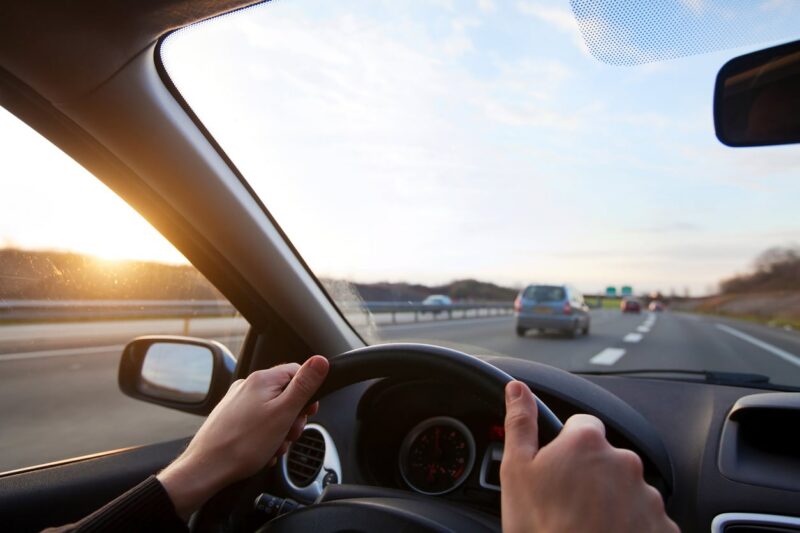
Self-driving technology has advanced rapidly, but serious accidents continue to raise a question many injured victims are already asking: “Why are self-driving cars bad?” These vehicles are often viewed as risky due to safety concerns, including software failures, difficulty handling real-world driving behavior, and the potential to cause serious accidents. They also struggle in unpredictable situations, such as emergency conditions, while raising concerns about data security, environmental impact, and the growing complexity of traffic patterns.
At Hughes & Coleman Injury Lawyers, we work with injured people who are dealing with the aftermath of these crashes. When responsibility is unclear, and insurance companies begin asking questions, having a car accident lawyer in Kentucky can make a difference in how the situation unfolds.
Driverless cars operate across different automation levels, and understanding those levels helps explain where problems begin. According to the Environmental Protection Agency, “Level 0 cars have no driving automation, though they may have some automated features,” while Level 1 and Level 2 systems assist with speed or steering under limited conditions. At first glance, these systems may seem advanced, but higher levels still rely on human awareness in many real-world situations.
Many cars on Kentucky roads already include partial automation, such as adaptive cruise control or lane assistance. The National Highway Traffic Safety Administration notes that “many vehicles on the road today have driver assistance technologies” designed to prevent crashes. Those features help, but they do not replace driver attention, especially when traffic conditions change suddenly.
Driverless technology may sound convenient, but crashes involving these systems tell a different story. Behind the convenience of automation, people sustain injuries, incur medical expenses, and miss work after a collision.
These disadvantages go beyond technical flaws. They affect how victims recover, how claims move forward, and how responsibility gets assigned after a crash.
Autonomous systems rely on sensors, cameras, and software, but those systems have clear limits that can help explain why self-driving cars are bad in real-world conditions. These vehicles can struggle in complex driving environments, including severe weather or unusual traffic patterns, creating serious risks for people walking, cycling, or traveling in nearby cars. Decisions programmed into software may also determine who faces greater harm during unavoidable crashes, raising ongoing concerns about fairness and safety.
Self-driving vehicles collect large amounts of data, including location tracking and driving habits, which may become vulnerable to misuse. These systems pose cybersecurity risks, as hacking could expose passengers and others to harm. Driverless cars may also interfere with emergency responders, increase congestion, and contribute to higher energy consumption and environmental strain.
Liability after a self-driving car accident may involve multiple parties, including manufacturers, software developers, and vehicle owners. Some systems still rely on human intervention in difficult situations, which makes fault harder to determine. Victims often face delays while companies investigate system failures, and gaps in state law leave accountability far from straightforward.
Tesla often comes up in conversations about self-driving technology, especially after reports involving crashes or system failures. According to a National Highway Traffic Safety Administration recall report, “Tesla voluntarily made a recall determination” after identifying compliance issues affecting some models. While not every issue leads to injury, these events highlight how software or design concerns can impact safety in ways drivers may not anticipate.
Crashes where automated features remained active during critical moments have raised questions about whether these systems are ready for everyday driving conditions. For injured victims, these incidents make the question of why self-driving cars are bad more personal.
Crashes involving automated technology rarely follow a simple path to resolution. A Kentucky car accident lawyer can step in to identify who bears responsibility and outline what comes next. Our team at Hughes & Coleman Injury Lawyers handles all communication with insurers, so you can focus on healing.
For many people, the question of why self-driving cars are bad becomes personal after a serious crash. Legal guidance at that point can make a difference. Call us today for a free consultation at:
Contact a car accident attorney near you in Kentucky:
Contact a car accident attorney near you in Tennessee:

If you or a loved one has been seriously injured, please fill out the form below for your free consultation or call us at 800-800-4600.

 (615)-255-9100
  Chat Now
  Call Us