
free case consultation
free case consultation
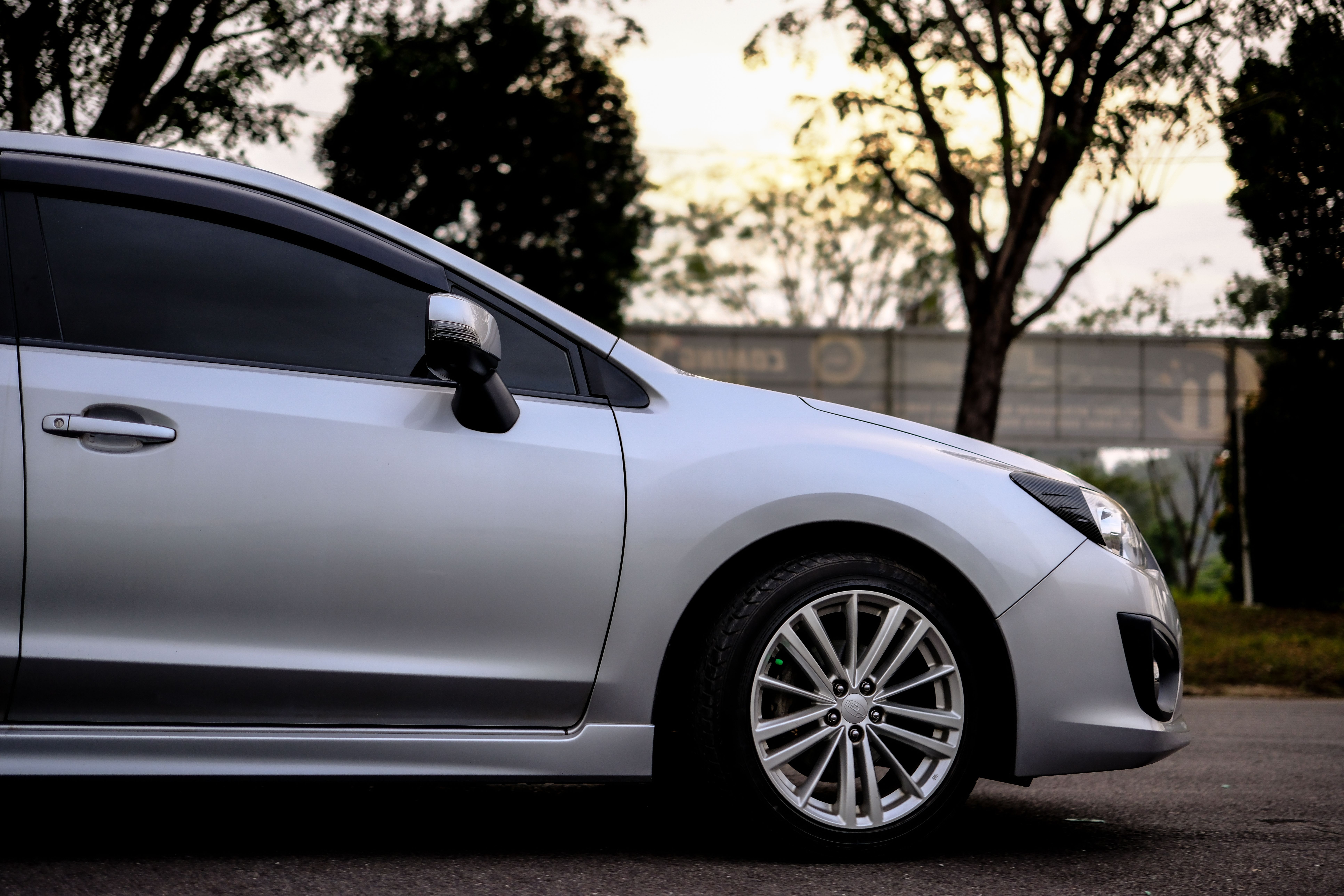
Tinting your car windows is popular for good reason, as it can cut down on glare and add an additional layer of privacy. However, in Tennessee, there are legal limits on how dark that tint can be.
State law lays out the rules that apply to every vehicle registered in the state in one key statute. If you are thinking about getting your windows tinted, or already have tint installed, here is what you need to know to stay on the right side of the law.
Tennessee Code Annotated § 55-9-107 measures tint darkness using something called visible light transmittance, or VLT. This is the percentage of outside light that can pass through the window. A lower VLT number means a darker tint.
Here is how the law breaks it down by window:
One detail that often gets overlooked involves documentation. Professional installers are required to affix a compliance sticker to the lower right corner of the driver’s window.
Additionally, they, the installer, must provide a signed receipt that includes the installation date, your vehicle information, and a statement confirming the tint meets state standards. Keep that receipt in your vehicle the same way you would your registration.
A window tint violation in Tennessee is classified as a Class C misdemeanor. That is not just a traffic ticket. It carries a fine of up to $50, plus court costs, and goes on your record differently than a standard moving violation.
Law enforcement can pull you over based solely on a reasonable belief that your tint is too dark. From there, officers may conduct a field comparison test to measure VLT on the spot. Refusing to submit to that test is itself a Class C misdemeanor, so cooperating is in your best interest.
If you have a medical condition that makes you especially sensitive to sunlight, Tennessee does offer an exemption process. You will need to submit a doctor’s statement to the Tennessee Department of Safety, where a medical review board will evaluate your request. Approved drivers receive a certificate and a special decal to display in their vehicle.
Here is where things get more serious from a legal standpoint. A window tint violation on its own may seem minor, but if you are involved in a car accident while driving with illegally dark windows, the other side could use that against you by arguing that the reduced visibility contributed to the crash.
An illegal window tint does not automatically make a driver responsible for a crash, but depending on the circumstances, the other party could use it in their argument based on the reduced visibilityargue that reduced visibility contributed to the accident. Whether a tint violation affects liability or not depends on the facts of the crash.
The facts of the crash can be found in the police report if an agency responds to the scene. and whether the violation contributed to causing it. If an agency does not respond to the scene, Tennessee requires all motor vehicle accidents that resulted in death, an injury, or over $1,500 of property damage to be reported within 20 days of the incident.
Learn more about securing a police report after a car wreck in Tennessee.
Tennessee follows a modified comparative fault system. An injured person may generally recover compensation if their share of fault is less than the combined fault of the other responsible parties, but their recovery is reduced according to their percentage of fault.
So, if the injured victim is 45% at-fault, they can still recover up to 55% of their damages. On the other hand, if the victim is found to be over 50% at-fault, Tennessee’s system bars them from recovering any compensation for the incident.
Window tint laws in Tennessee are in place to protect all drivers. In the same way a victim could argue your window tint reduced visibility and caused the wreck, a defendant could argue your window tint was partially responsible for the wreck when they hit you. If this occurs, it could apply a percentage of fault to you, lessening the amount of compensation you are able to recover.
If you were recently involved in an accident in Tennessee and have concerns about how a tint violation or any other factor might affect your claim, a Nashville car accident attorney can help you sort through your best course of action. Call Hughes & Coleman Injury Lawyers for a free consultation with a Nashville car accident attorney.
If you or a loved one has been seriously injured, please fill out the form below for your free consultation or call us at 800-800-4600.

 (615)-255-9100
 Chat Now
 Call Us
